
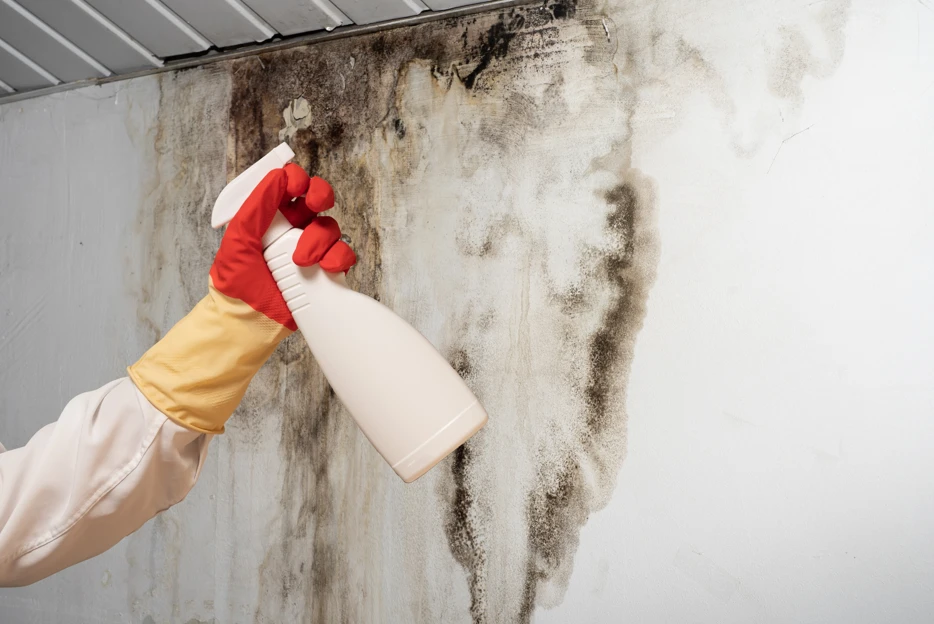
Spotted a dark patch behind the bathroom sink or a musty smell in the basement? That fuzzy growth is not just an eyesore. It is a sign that something bigger has been growing inside your walls, ceilings, or floors for weeks or even months. Most property owners reach for bleach and a sponge first, then end up calling for mold remediation when the problem keeps coming back worse than before.
The Environmental Protection Agency reports that mold is found in close to half of all homes and commercial buildings across the United States. Many people brush it off as a small annoyance, but the health damage and structural cost from untreated mold can rise into the tens of thousands of dollars over a few short years.
The Hidden Health Risks of Mold
This is the part most people underestimate. Mold spores float through the air all day, and a single square foot of moldy drywall can release millions of them. Once inhaled, those spores trigger a long list of health problems:
- Chronic coughing, sneezing, and watery eyes
- Skin rashes and irritation
- Worsened asthma and breathing problems
- Headaches and fatigue with no clear cause
- Sinus infections that keep coming back
- Mood and memory issues from long exposure
- Severe reactions in children, the elderly, and immune-compromised people
Black mold, also known as Stachybotrys chartarum, is the worst of the bunch. It produces toxic compounds called mycotoxins that can cause permanent respiratory damage. The CDC has linked indoor mold exposure to millions of asthma cases worldwide.
Why DIY Mold Removal Almost Always Fails?
Spray bleach, wipe the spot, problem solved? That approach almost never works in the long run. Here is what actually happens when you clean visible mold yourself:
- Bleach only kills the surface, not the roots growing deep in porous materials
- Wiping disturbs the colony and releases millions of spores into the air
- Spores travel to other rooms through your HVAC system
- The moisture source is never found, so the mold returns within weeks
- Without containment, cross-contamination spreads the problem further
- No air quality test confirms the mold is actually gone
A homeowner who cleans a 4 square foot patch with bleach often ends up with a 40 square foot problem three months later. The first cleanup looked like a win, but the mold simply moved into the next cavity.
What Professional Mold Remediation Involves?
A trained remediation crew does not just clean surfaces. They remove the source, the spores, and the contaminated material in a controlled, step-by-step process.
Step 1: Full Property Assessment
Technicians use moisture meters, infrared cameras, and air quality samplers to find every spot where mold has grown. This includes hidden colonies behind walls, under floorboards, and inside ductwork.
Step 2: Containment of Affected Areas
Before any cleaning starts, the affected rooms are sealed off with plastic barriers and negative air pressure machines. This stops spores from spreading to clean parts of the building during the work.
Step 3: Removal and Cleaning
Porous materials like drywall, carpet, insulation, and ceiling tiles get cut out and bagged for safe disposal. Non-porous surfaces are scrubbed with antimicrobial agents and treated with HEPA vacuum systems.
Step 4: Source Repair
Mold needs moisture to grow. The crew finds and fixes the source, whether it is a slow plumbing leak, a roof issue, or unresolved water damage restoration work that left moisture behind in the walls.
Step 5: Final Air Testing
A post-remediation air quality test confirms the spore count is back to a safe range. Without this step, you have no proof that the job was done right.
When Mold Remediation Is Legally Required?
In many states and commercial properties, mold remediation is more than a health choice. It becomes a legal requirement. The most common cases include:
- Commercial properties with employee health complaints under OSHA standards
- Landlords with tenant mold complaints in New York and other states
- Healthcare facilities and food service businesses
- Schools, daycares, and elderly care centers
- Insurance claims that require certified remediation documentation
- Real estate sales that require mold disclosure forms
A property without proper remediation paperwork can lose business licenses, fail insurance claims, and face lawsuits from affected tenants or employees down the line.
Also Read: How Quickly Mold Can Grow After Water Damage?
The Hidden Cost of Waiting Too Long
Every month you delay professional remediation, the bill grows. Consider what builds up:
- Mold spreads at 2 to 6 inches per week in damp conditions
- Drywall replacement costs jump from 1,000 dollars to 5,000 plus dollars over 6 months
- Wood framing damage can require structural repair from 3,000 to 15,000 dollars
- HVAC system contamination requires duct cleaning at 800 to 2,500 dollars
- Property value drops 10 to 25 percent on homes with disclosed mold history
- Insurance claims for mold-related damage face stricter limits each year you wait
The cleanup that costs 2,000 dollars today can become a 20,000-dollar restoration job in a year.
How to Pick the Right Mold Remediation Company?
Not every contractor offering mold cleanup is qualified. Look for these signs of a true professional:
- IICRC certification for mold remediation specifically
- Written scope of work with containment and disposal plans
- Use of moisture meters and air quality testing equipment
- Insurance covering both general liability and pollution
- Clear, itemized written estimates with no cash-only requirements
- References from past commercial or residential jobs
If a contractor offers to handle a 200 square foot mold job for 500 dollars in cash with no air test, walk away. Proper remediation costs reflect the equipment, containment, and disposal involved.
A trustworthy team also handles related issues like sewage cleanup and water restoration under one roof, because mold problems usually start with one of those events.
Professional Mold Remediation for Safe, Healthy Buildings
That musty smell is not going away on its own. Every day, spores keep multiplying in your walls, your air, and the lungs of everyone in the building. The next round of allergy attacks, missed work days, or doctor visits is one breath away. Professional mold remediation stops the spread, fixes the source, and gives you back a building that is safe to breathe in again.
About Flood Restoration Pros
We are a 24/7 emergency restoration company specializing in water damage cleanup, mold remediation, and sewage restoration for homes and businesses across the country. Our certified technicians use industry-grade containment, HEPA filtration, and antimicrobial treatment to bring properties back to safe pre-loss condition. Call us for fast, certified, and insurance-backed restoration service today.
