
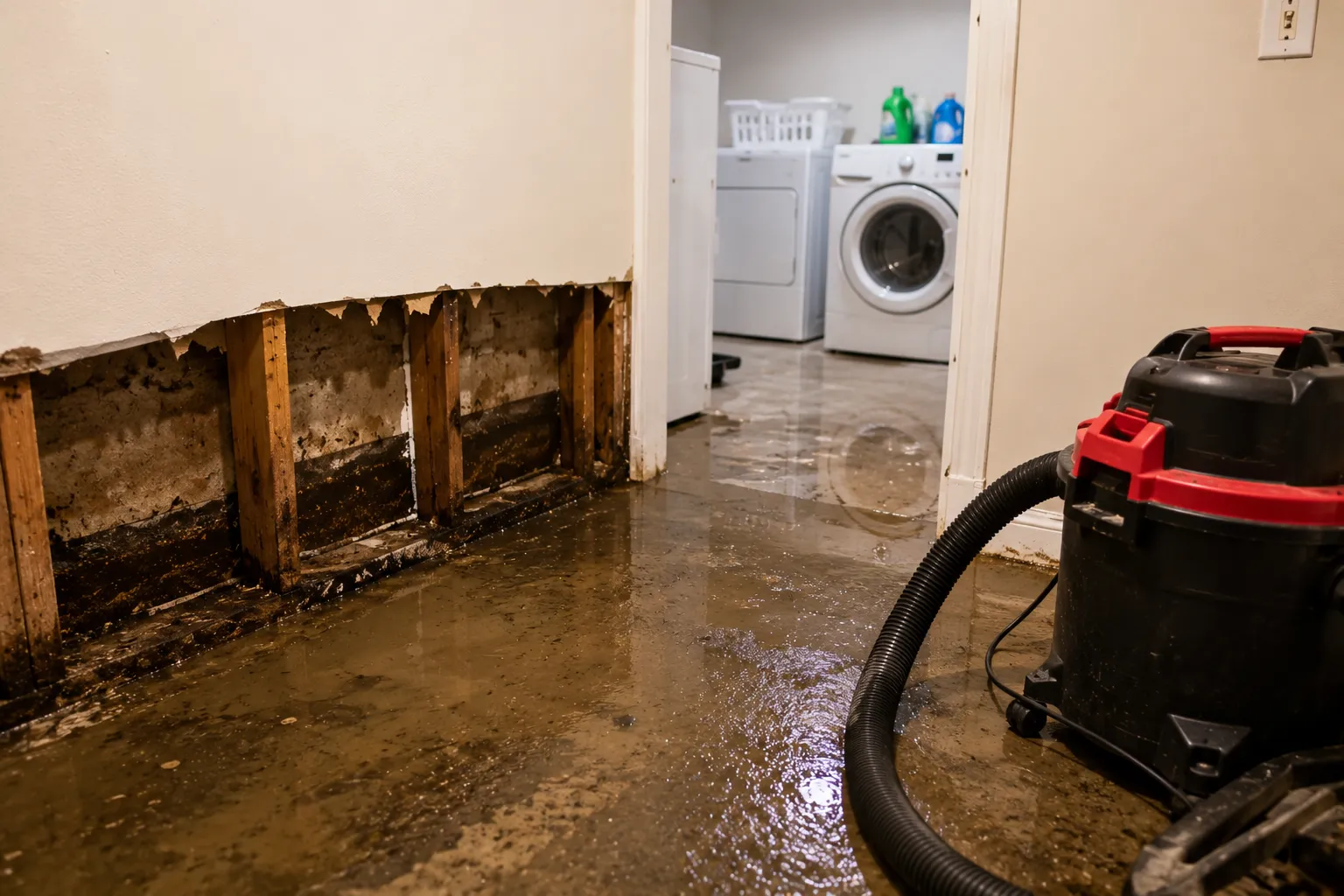
Homeowners often underestimate how dangerous a sewage backup can become within hours. The contamination spreads quickly and affects flooring, walls, and indoor air quality. Many people react immediately, but they often take the wrong steps that make the damage worse. Sewage water contains harmful bacteria and toxins that require proper handling and fast action.
In this blog, you will learn the most common mistakes homeowners make after a sewage backup and how to avoid them. You will also understand the correct response steps of water sewage cleanup that protect your home, health, and property value while preventing long-term structural and financial damage.
An Overview of Sewage Backups
A sewage backup creates one of the most hazardous situations a homeowner can face. Wastewater carries bacteria, viruses, and toxic substances that spread quickly through porous building materials. Carpets, drywall, insulation, and wooden floors absorb this contaminated water within minutes.
The problem does not stay visible on the surface. It moves deeper into the structure and continues to spread if not handled correctly. This is why sewage backups require immediate and informed action rather than temporary fixes or surface cleaning.
Mistake #1: Delaying Immediate Action
One of the most common mistakes homeowners make involves waiting too long before responding. Sewage water spreads quickly into hidden areas such as subfloors and wall cavities. The longer it stays, the deeper it penetrates.
Many people assume the water will dry on its own or that the problem is manageable after a few hours. In reality, bacteria multiply rapidly in warm and moist environments, making the situation worse with every passing hour.
Mistake #2: Entering the Area Without Protection
Homeowners often walk into contaminated areas without protective gear. This exposes them directly to harmful pathogens that can cause infections and respiratory issues.
Another mistake involves using basic cleaning products without understanding their limitations. Household cleaners cannot eliminate deep contamination inside porous materials.
Safe handling requires proper protection such as gloves, masks, and boots. It also requires controlled cleaning methods that prevent further spread of contamination.
Also read: How Water Damage Affects Walls, Floors and Foundations?
Mistake #3: Ignoring Hidden Damage
Surface cleaning gives many homeowners a false sense of control. Even when the visible mess disappears, the damage often remains inside walls, floors, and insulation.
Sewage water seeps into hidden areas and creates long-term problems such as mold growth, structural weakening, and persistent odors. These issues often appear days or weeks later if not properly addressed.
Proper inspection is necessary to identify moisture trapped beneath surfaces and within building materials.
Mistake #4: Trying to Mask Odors Instead of Removing the Source
Many homeowners try to control sewage odors using air fresheners or sprays. This approach only hides the smell temporarily.
The odor comes from bacteria and organic waste trapped inside materials. Unless the contaminated materials are removed or fully treated, the smell will return.
Real odor removal requires deep water sewage cleaning, material removal where necessary, and proper air treatment methods. Masking the smell does not solve the problem.
Mistake #5: Keeping Contaminated Materials
Another major mistake involves trying to save items that have absorbed sewage water. Carpets, mattresses, insulation, and upholstered furniture often retain contamination even after drying.
These materials continue to spread bacteria inside the home if reused. In many cases, they cannot be safely restored.
Removing and disposing of heavily contaminated materials helps prevent ongoing health risks and recurring odors.
Mistake #6: Overlooking Electrical Hazards
Sewage backups often affect areas near electrical outlets and wiring systems. Water and electricity create a serious safety risk that many homeowners ignore in the urgency of cleanup.
Turning on appliances or walking through wet areas can lead to electric shock or fire hazards.
The safest approach involves shutting off electricity in affected zones and avoiding contact with standing water until a professional inspection confirms safety.
Mistake #7: Poor Documentation for Insurance Claims
Homeowners often begin cleaning before documenting the damage. This mistake can create problems when filing insurance claims.
Insurance providers require clear evidence of damage, including photos and videos. Without proper documentation, claims may get delayed or denied.
It is important to record all affected areas before starting any cleanup process and to keep a detailed record of losses and expenses.
Mistake #8: Attempting Full Cleanup Without Professional Help
Water sewage cleanup involves more than removing visible waste. It requires deep sanitization, moisture detection, odor control, and structural drying.
Homeowners who attempt full cleanup on their own often miss hidden contamination. This leads to recurring issues such as mold growth and persistent smells.
Professional restoration teams use specialized equipment to detect hidden moisture and fully sanitize affected areas. This ensures complete recovery rather than partial cleaning.
Why Does Sewage Damage Become Worse Over Time?
Sewage contamination does not remain static. It spreads through porous materials, increases moisture levels, and creates an environment for microbial growth.
Within a short time, untreated sewage can damage structural components and reduce indoor air quality significantly. This is why timing and correct action matter so much in recovery.
The longer the delay, the more extensive and expensive the restoration becomes.
The Correct Approach After a Sewage Backup
Homeowners should focus on immediate safety and controlled action. The correct response includes:
- Avoiding direct contact with contaminated water
- Turning off electricity in affected areas
- Ventilating the space safely if possible
- Documenting all visible damage
- Contacting restoration professionals quickly
This approach helps reduce risk and limits long-term damage.
Professional Restoration Makes the Difference
Sewage damage requires a structured and technical response. Professionals understand how contamination spreads and how to eliminate it completely.
They use advanced drying systems, antimicrobial treatments, and moisture detection tools to restore affected areas safely. They also ensure that hidden contamination does not remain inside the structure.
This level of treatment protects both health and property value.
Dealing With Sewage Backup? Contact Flood Restoration Pros
When sewage damage affects your home, fast and professional action makes all the difference. Flood Restoration Pros provides expert sewage backup cleanup, deep sanitization, odor removal, and full property restoration services. Our team responds quickly, handles contamination safely, and restores your home to a clean and livable condition. If you face a sewage emergency, trust Flood Restoration Pros to handle the situation with care, speed, and expertise.
