
Water finds its way into places you cannot see, and by the time the damage shows on the surface, the problem behind it has been building for a while. Whether it came from a burst pipe, a roof leak, or a flood, water works through building materials in stages. Each stage costs more to fix than the one before it. Understanding how water damage restoration fits into this timeline helps property owners and managers make faster decisions when water enters a building.
What Water Does to Walls Over Time?
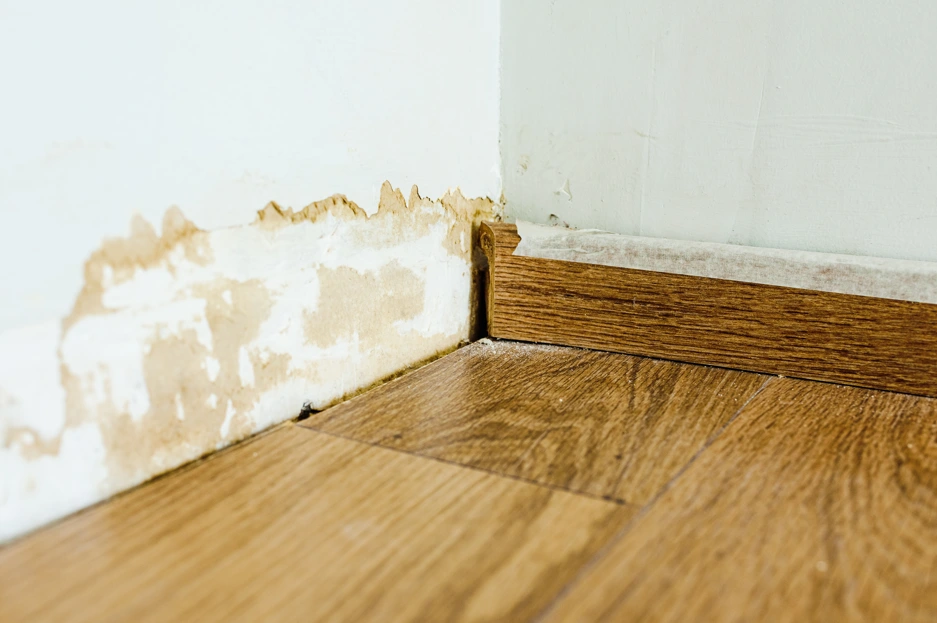
Walls absorb water faster than most people expect. Drywall is made from gypsum board with a paper facing, and both materials pull in moisture on contact. Within hours, the paper facing begins to soften and separate. Within days, the gypsum core loses structural integrity, and the wall surface starts to bubble, crack, or bow outward.
What makes this worse is that the damage is not always visible from the outside. Water that enters through the top of a wall, from a roof leak or a plumbing failure above, travels down inside the wall cavity. The exterior surface may look fine while the insulation inside is saturated, and the bottom plate of the wall is sitting in standing water.
Mold follows moisture into walls within 24 to 48 hours. Once mold colonies are established inside the wall cavity, the affected drywall and insulation cannot be dried out and reused. They need to come out. This is why walls that are treated through mold remediation services after water damage often require full panel replacement rather than just drying.
How Water Damage Works Through Different Flooring Types?
Floors take water damage differently depending on the material, but no flooring type is immune to prolonged moisture exposure.
- Hardwood floors cup and warp when moisture enters the wood. The boards expand across their width, and the edges push upward. If the water is removed and the floor is dried within the first 24 to 48 hours, some hardwood floors can be saved with professional drying equipment. After that window, the warping becomes permanent, and replacement is the only path.
- Carpet and carpet padding absorb water and hold it against the subfloor below. The carpet surface may feel dry to the touch while the padding underneath is still saturated days later. That trapped moisture accelerates mold growth at the subfloor level, which means the problem extends beyond the carpet itself.
- Tile floors are more water-resistant on the surface, but the grout lines and the adhesive underneath are not. Water that gets under tile through cracked grout or a failed seal reaches the subfloor and causes the same damage as any other water intrusion.
- Concrete subfloors hold moisture longer than wood because concrete is porous. A concrete subfloor that absorbs water from a flood or a prolonged leak releases that moisture upward into whatever flooring is installed on top of it, which causes adhesive failure and ongoing moisture problems even after the surface water is gone.
Also Read: How Quickly Mold Can Grow After Water Damage?
Foundation Damage: The Most Costly Result of Water Intrusion
Foundation damage from water is where repair costs move from thousands to tens of thousands of dollars. Water affects foundations through two main mechanisms: hydrostatic pressure and material breakdown.
Hydrostatic Pressure
When soil around a foundation becomes saturated with water, it creates pressure against the foundation walls. Over time, this pressure causes cracks in poured concrete foundations and mortar joint failure in block foundations. Once cracks form, water enters the basement or crawl space directly, compounding the damage to the structure above.
Foundation damage from water intrusion is one of the leading causes of significant structural repair costs in residential and commercial properties across flood-prone areas.
Soil Erosion Beneath the Foundation
Water that drains away from a building takes soil with it. When this happens at the base of a foundation, voids form in the soil beneath the concrete. The foundation loses support and settlement begins, which causes cracking in walls, sticking doors and windows, and in severe cases, structural failure.
For commercial properties, foundation movement affects not just the building shell but the mechanical systems, utility connections, and interior finishes throughout the structure.
Why the Timeline of Response Changes Everything?
The cost of water damage restoration increases the longer water stays in contact with building materials. Industry data shows that damage addressed within the first 24 hours costs significantly less to restore than damage left for 72 hours or more.
A property that gets water extraction and structural drying started immediately has a much higher chance of saving the original materials. A property where water sat for several days before restoration began almost always requires full material removal and replacement across walls, flooring, and, in some cases, structural framing.
Act on Water Damage Before It Reaches Your Foundation
Flood Restoration Pros handles water damage restoration for residential and commercial properties, covering water extraction, structural drying, and full flood damage repair from surface to foundation. If your property has had a water event and you are not sure how far the damage has spread, contact us before the timeline works against you.
