
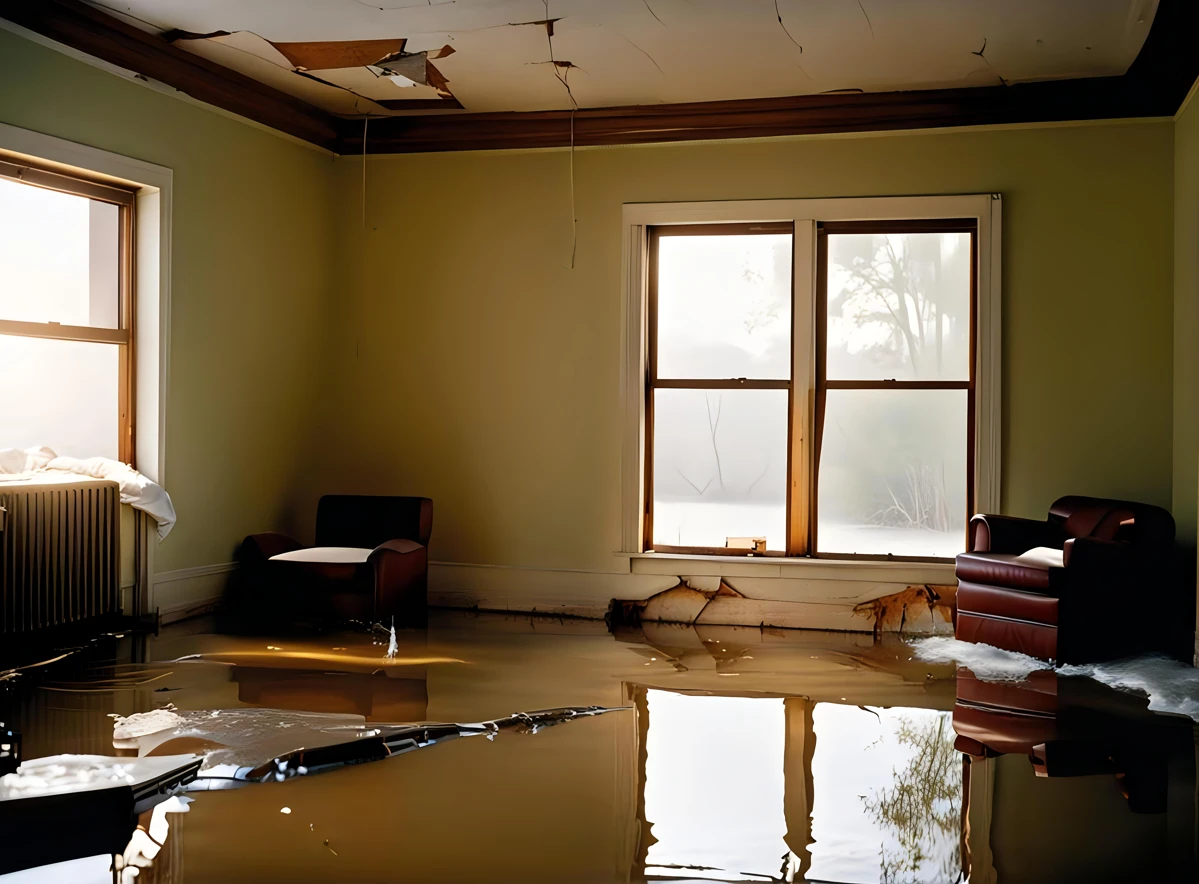
The thing about water damage is that it’s the sort of problem that only gets worse with time. If you’ve ever had a small leak or a wet patch on the ceiling and think it’ll sort itself out on its own, that couldn’t be farther from the truth.
There’s a simple truth we explain to homeowners all the time: water damage doesn’t wait. Every hour that water sits in your home, the damage compounds. What starts as a manageable problem can turn into a slippery slope of mess faster than most people realize.
In this guide, we’ll walk you through why speed matters so much when it comes to water damage extraction.
Water Damage Timeline
The First 24 Hours Are Your Critical Window
There’s been plenty of research carried out by the EPA and CDC, and it’s been found that mold can begin developing on wet surfaces within 24 to 48 hours. Bear in mind, though, this isn’t when you can see it; it’s when the mold actually starts growing.
But even before mold becomes an issue, other problems are already starting:
- Your floors are absorbing water. Hardwood swells, laminate separates, and carpets become saturated. The longer water sits, the more it soaks in.
- Your walls are wicking moisture up. Drywall is basically compressed gypsum and paper, both of which love soaking up water. Even if you can’t see water on the wall, it’s pulling moisture up from the floor like a sponge.
- Your belongings are getting ruined. Furniture sitting in water, boxes getting soggy, electronics exposed to moisture.
- Metal is starting to tarnish and corrode. Door hinges, appliances, and anything metal that’s exposed to moisture begin breaking down within the first 24-48 hours.
Talk to any water damage extraction professional, and they’ll tell you why the first 24 hours are your critical window. If you can get water out and start drying things within that timeframe, you can prevent a significant amount of the secondary damage that makes water seepage so expensive and destructive.
The Next 48 to 72 Hours Are When the Situation Worsens
If water hasn’t been extracted by this point, the situation accelerates.
- Mold spores activate. They’re always in the air, that’s normal. But when they land on wet surfaces and stay wet for 24-48 hours, they begin colonizing. By 72 hours, you’ve likely got active mold growth, even if you can’t see it yet.
- Wood starts swelling and warping. Wood framing, studs, joists, they’re absorbing moisture and beginning to change shape.
- Drywall begins deteriorating. The paper backing gets saturated, the gypsum softens, and the interior starts failing. At this stage, you’ll probably need to start thinking about a replacement.
- Insulation becomes saturated. Once insulation gets wet, it typically can’t be saved. It loses its R-value, becomes a breeding ground for mold, and usually needs to be removed entirely.
- The smell starts. That musty, dank odor is bacterial growth and early mold. Once that smell sets in, it’s incredibly hard to get rid of.
At this point, your relatively simple water damage extraction job has turned into a major water damage restoration project involving demolition, replacement, and serious mold remediation.
What should you do Right Now?
You’re probably dealing with water inside your home right this minute, because why else would you be reading this guide?
Fortunately for you, we’ve made a checklist of things to do right now.
- Stop the source: If it’s a burst pipe, shut off the water main. If it’s an appliance, unplug it and turn off its water supply.
- Call professionals immediately: Don’t wait!
- Remove what you can: If you can safely move furniture and belongings out of the water, do it. Get things off wet floors.
- Don’t disturb potential black water: If the water could be contaminated (sewage, flood water, toilet overflow), don’t touch it. Wait for professionals with proper safety equipment.
- Document everything: Take photos and videos. This is useful for insurance before anything gets moved or changed.
- Contact your insurance company: Most insurance companies require you to get in touch with them as soon as possible. Call them, but don’t wait for them to start the mitigation process.
Also Read: What to Do Immediately After Discovering Water Damage
Time Is Not On Your Side!
We’ve seen homeowners wait it out and see if things sort themselves out. They hardly ever do.
Every hour matters; every day you wait, the damage compounds, the cost increases, and the work required gets more extensive.
A small water event handled fast will cost you less and take a few days. The same event left to sit for a week could cost you thousands of dollars and take weeks to remediate.
This isn’t meant to panic you; it’s meant to give you the real information. Water damage extraction works best when it happens immediately.
Flood Restoration Pros provides 24/7 emergency water damage restoration services. We understand that water damage doesn’t wait for business hours, and neither should your response. We show up with industrial-grade equipment designed for rapid water damage extraction that helps dry structural materials.
Contact us for immediate water damage extraction and water damage restoration!
