
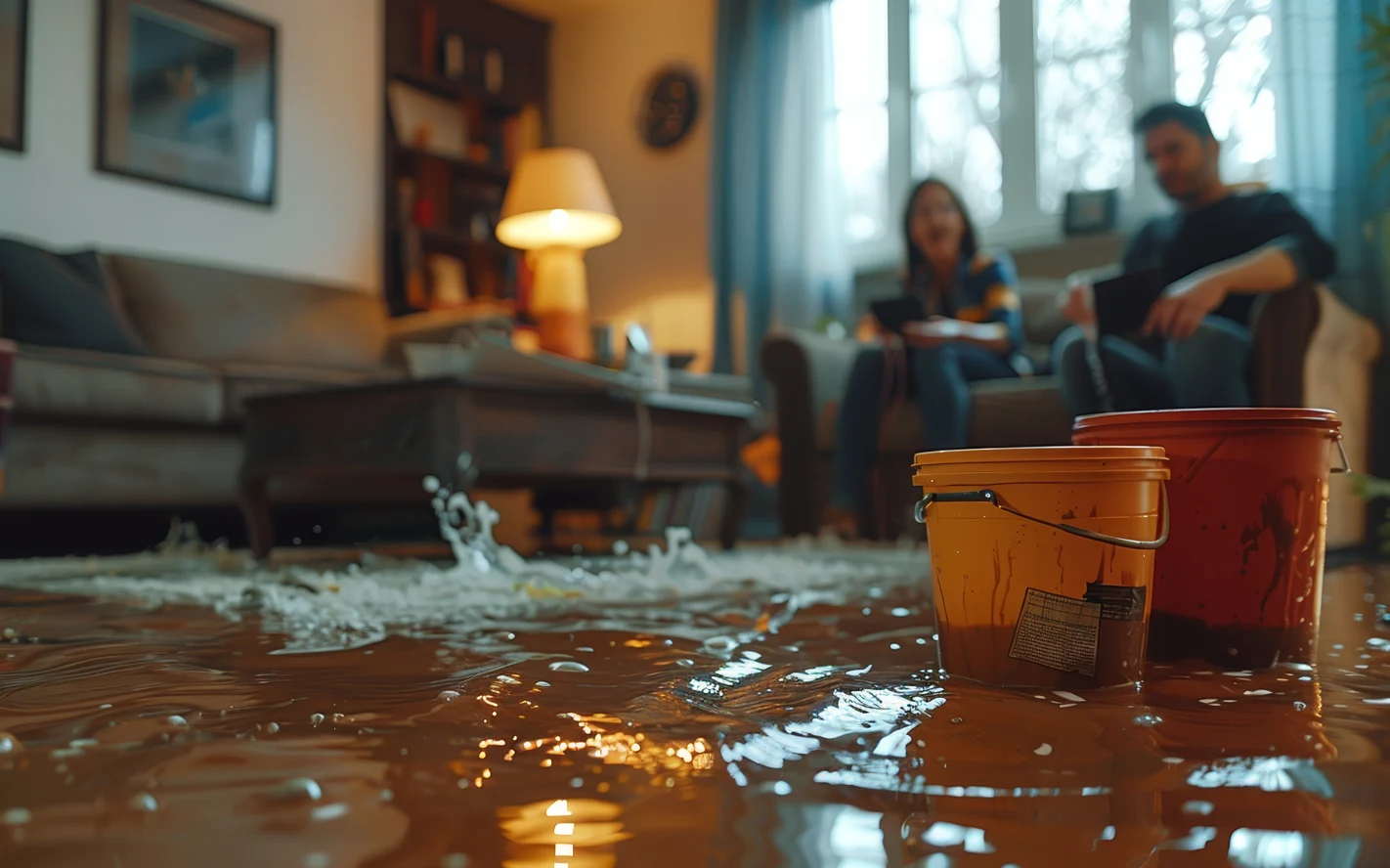
Water damage rarely gives a warning. A burst pipe, overflowing appliance, roof leak, or sudden storm can turn a calm day into a full-scale emergency within minutes. What you do during the first 24 hours after water intrusion can make the difference between a manageable cleanup and long-term structural damage. Acting fast helps prevent mold growth, limits repair costs, and protects your home and health.
This guide walks you through a practical, real-world checklist for the critical first day after water damage, including when to involve professionals trained in water damage restoration.
Why the First 24 Hours Matter More Than You Think?
Water doesn’t just sit still. It spreads, seeps, and silently damages materials behind walls, under floors, and inside insulation. Within hours, moisture begins weakening drywall, warping wood, and creating the perfect environment for bacteria and mold.
The first day is the window where damage can still be controlled. Delay allows problems to multiply; what could have been a straightforward drying job can quickly turn into a major reconstruction project.
First 24 Hours Checklist Before Water Damage Restoration
Ensure Safety Before Anything Else
Before thinking about cleanup, your safety comes first.
If there’s standing water near electrical outlets, wiring, or appliances, shut off the electricity at the main breaker. Never step into water if you’re unsure whether live electricity is present. If the water source is sewage or floodwater, avoid contact altogether—it may contain harmful pathogens.
Also, be mindful of slipping hazards and weakened flooring. Water can compromise structural materials quickly, especially in older homes.
Stop the Source of the Water
If the water damage is ongoing, stopping the source immediately is critical.
- Turn off the main water supply if a pipe or appliance is leaking
- Shut off individual valves if the issue is isolated
- For roof leaks, use temporary tarps or buckets until permanent repairs can be made
If the water intrusion is weather-related and can’t be stopped, focus on diverting water away from living areas and valuable belongings.
Document the Damage for Insurance
Before moving items or starting cleanup, take clear photos and videos of all affected areas. Capture wide shots and close-ups of damaged walls, floors, furniture, and personal items.
This documentation is essential for insurance claims and helps avoid disputes later. Make notes about when the damage occurred, the suspected cause, and any emergency steps you take.
Remove Standing Water Immediately
Standing water causes rapid deterioration. The sooner it’s removed, the better.
For small amounts, you may be able to use wet/dry vacuums, mops, or towels. Larger volumes often require professional extraction equipment capable of pulling water from carpets and subfloors.
At this stage, professional water damage restoration services are especially valuable. They use high-powered pumps and vacuums designed to remove water thoroughly and efficiently, something household tools simply can’t match.
Protect Belongings and Salvage What You Can
Move undamaged items out of wet areas as soon as possible. Furniture, rugs, electronics, and clothing should be relocated to a dry space.
For items that are wet:
- Place aluminum foil or wood blocks under furniture legs to prevent staining
- Remove cushions and prop them up to dry evenly
- Separate papers and books to prevent pages from sticking
Some items may be salvageable with proper drying, while others may require professional cleaning or replacement.
Also read: Different Classes of Water Damage & How Their Restoration Works
Start the Drying Process Right Away
Drying is more than just removing visible water. Moisture hides in materials like drywall, wood framing, and carpet padding.
Open windows and doors if the outdoor humidity is low. Use fans to keep air moving and dehumidifiers to pull moisture from the air. Position airflow across walls and floors rather than directly at one spot.
Professionals specializing in water damage restoration use industrial air movers and commercial dehumidifiers, along with moisture meters, to ensure that drying is thorough, not just surface-level.
Watch for Signs of Hidden Moisture
Just because an area looks dry doesn’t mean it is.
Be alert for:
- Musty odors
- Soft or warped drywall
- Bubbling paint or peeling wallpaper
- Persistent dampness in carpets
Hidden moisture can lead to mold growth within 24 to 48 hours. If you suspect water has entered wall cavities or under flooring, a professional assessment is strongly recommended.
Prevent Mold Growth Early
Mold doesn’t wait weeks; it can begin forming within a day if moisture remains.
Remove wet insulation, damaged drywall, and soaked carpet padding as needed. Clean hard surfaces with appropriate disinfectants and ensure continuous drying.
If mold is already visible or the water source was contaminated, avoid disturbing affected areas yourself. Mold spores spread easily, and improper handling can make the situation worse.
Contact Your Insurance Provider
Notify your insurance company as soon as possible. Provide them with your documentation and a clear description of the damage.
Many policies require prompt reporting. Delaying this step could affect coverage. Your insurer may also recommend or approve professional water damage restoration companies to handle the cleanup properly.
Know When to Call Water Damage Restoration Professionals
Some situations demand professional help immediately:
- Water from sewage or flooding
- Extensive damage covering multiple rooms
- Saturated walls, ceilings, or flooring
- Signs of mold or strong odors
Certified water damage restoration teams don’t just dry surfaces; they assess structural moisture, prevent secondary damage, and restore your home safely. Their expertise often saves homeowners time, money, and stress in the long run.
Dealing With Water Damage Emergency? Contact Flood Restoration Pros
When a water damage emergency strikes, every minute counts. Whether it’s a burst pipe, storm flooding, or an overflowing appliance, fast action can prevent serious structural damage and mold growth. Flood Restoration Pros respond quickly with proven tools and expert care to remove water, dry affected areas, and restore your property safely. Don’t let water damage take control; contact us for quick and reliable help.
